

The Future of VR and AR: Building Immersive Digital Experiences
Virtual and augmented reality are transforming digital experiences. Explore how VR and AR innovations are shaping gaming, education, healthcare, and entertainment for immersive engagement.

Ava Mitchell
13 août 2025
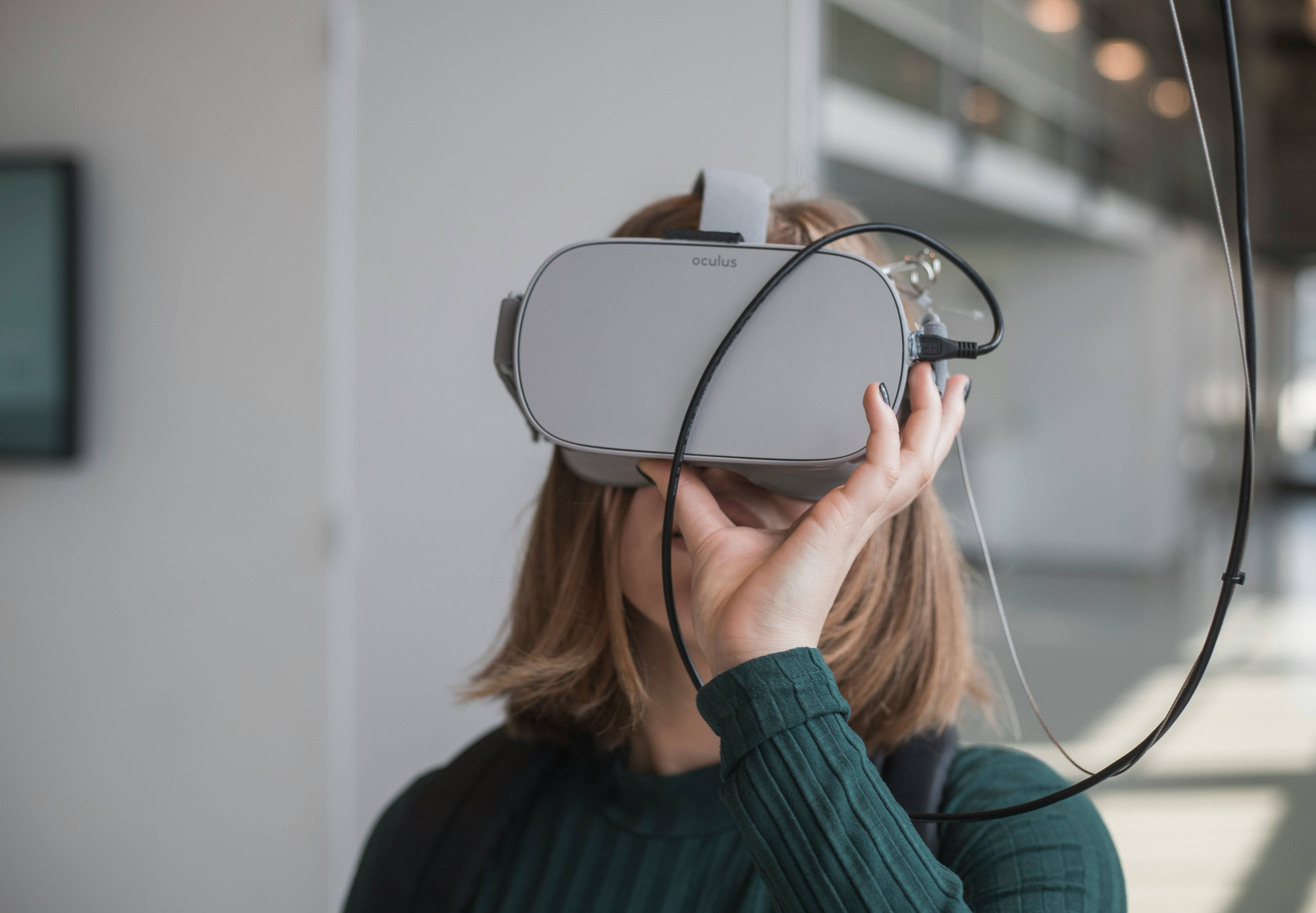
Virtual reality (VR) and augmented reality (AR) are revolutionizing how people interact with digital content. By creating immersive environments and overlaying digital elements onto the real world, these technologies are enhancing experiences across industries.
Key Applications of VR and AR
Gaming and Entertainment: Immersive worlds and interactive gameplay redefine entertainment.
Education and Training: Simulations and AR overlays improve learning outcomes.
Healthcare: VR aids in therapy, surgery planning, and patient rehabilitation.
Retail and Marketing: AR allows virtual try-ons and interactive product demonstrations.
Architecture and Design: VR and AR enable virtual walkthroughs and real-time design adjustments.
Benefits of Immersive Technologies
Enhanced Engagement: Users experience interactive and memorable environments.
Remote Collaboration: Teams can interact virtually, reducing the need for physical presence.
Innovation in Creativity: New mediums for storytelling, art, and experiential design.
Accessibility: VR and AR make learning and experiences more inclusive.
Data Integration: Real-time insights enhance decision-making and personalization.
Challenges and Considerations
Hardware Limitations: Device costs, weight, and battery life remain concerns.
Content Development: High-quality immersive content requires significant resources.
User Comfort: Motion sickness and long-term wearability need addressing.
Privacy and Security: Tracking and AR overlays raise data privacy concerns.
Standardization: Industry standards are still developing for interoperability.
Future Outlook
AI Integration: Smarter VR and AR systems adapt experiences in real time.
Mass Adoption: More affordable and lightweight devices will expand usage.
Cross-Industry Applications: VR and AR will increasingly impact healthcare, tourism, and enterprise solutions.
Mixed Reality Experiences: Combining real and virtual elements seamlessly for fully immersive environments.
Conclusion
The future of VR and AR is immersive, interactive, and transformative. As technology advances, digital experiences will become more engaging, accessible, and integrated across every aspect of life.
About

Featured Posts

Blockchain is reshaping industries beyond cryptocurrency. Explore real-world applications in supply chains, finance, healthcare, and governance that drive innovation and business growth globally.
Explore Topics




Related Post

Cybersecurity risks are evolving in 2025. Discover key threats businesses face, from ransomware to AI-driven attacks, and strategies to protect data, operations, and customer trust.

5G is transforming connectivity, but 6G promises even faster speeds and smarter networks. Explore the differences, benefits, and future potential of next-generation global communication.

Blockchain is reshaping industries beyond cryptocurrency. Explore real-world applications in supply chains, finance, healthcare, and governance that drive innovation and business growth globally.

AI innovation drives progress, but ethical considerations are crucial. Explore how businesses and researchers balance technological advancement with responsible AI practices for society.